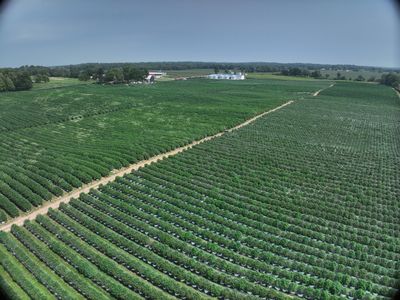
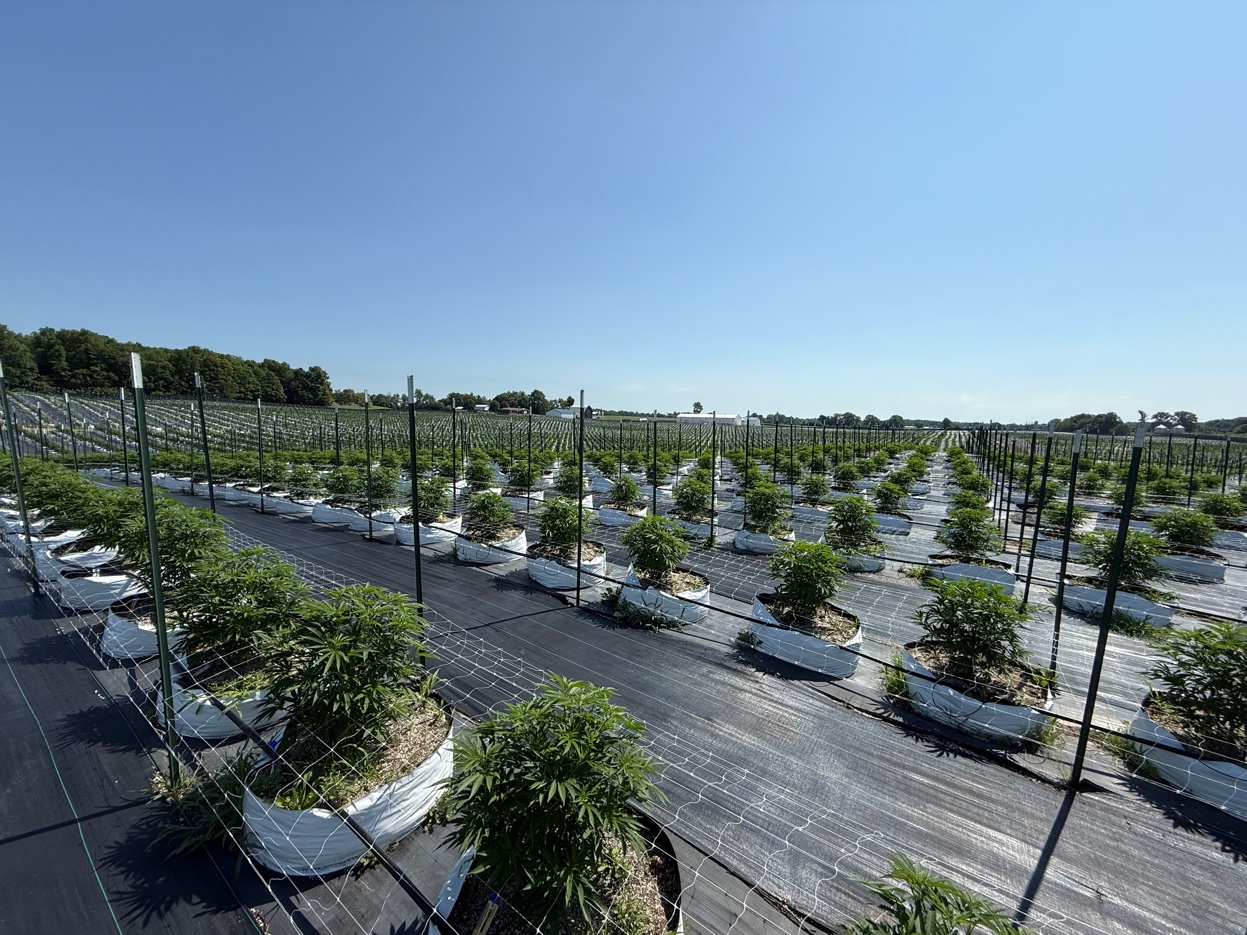
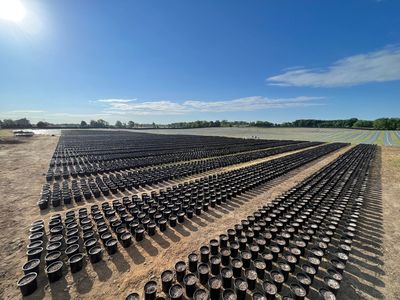
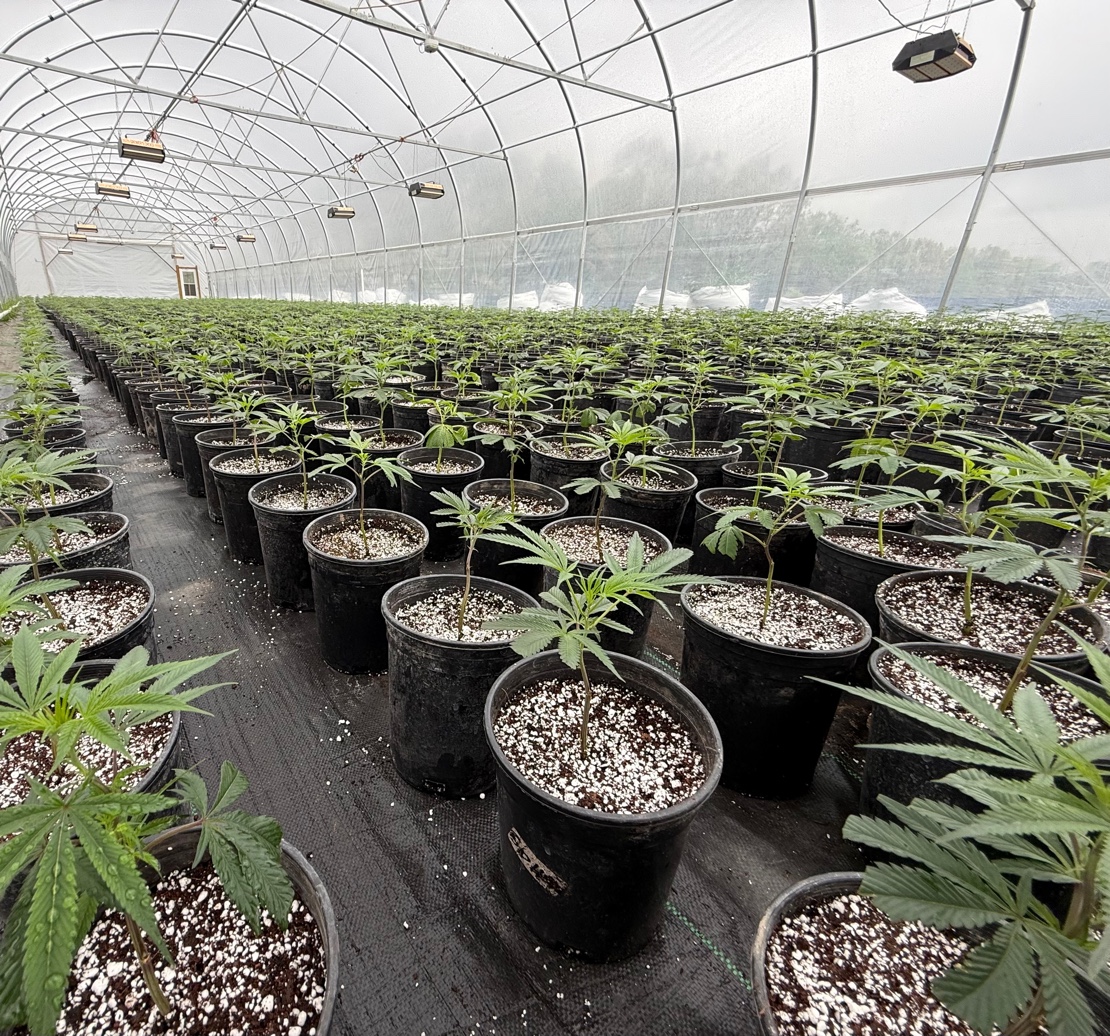
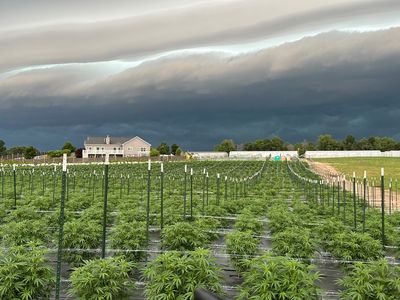
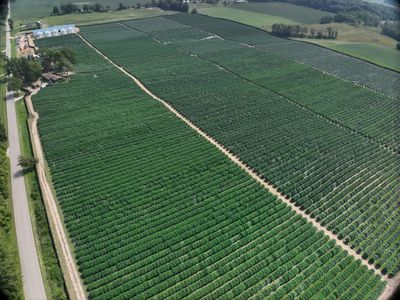
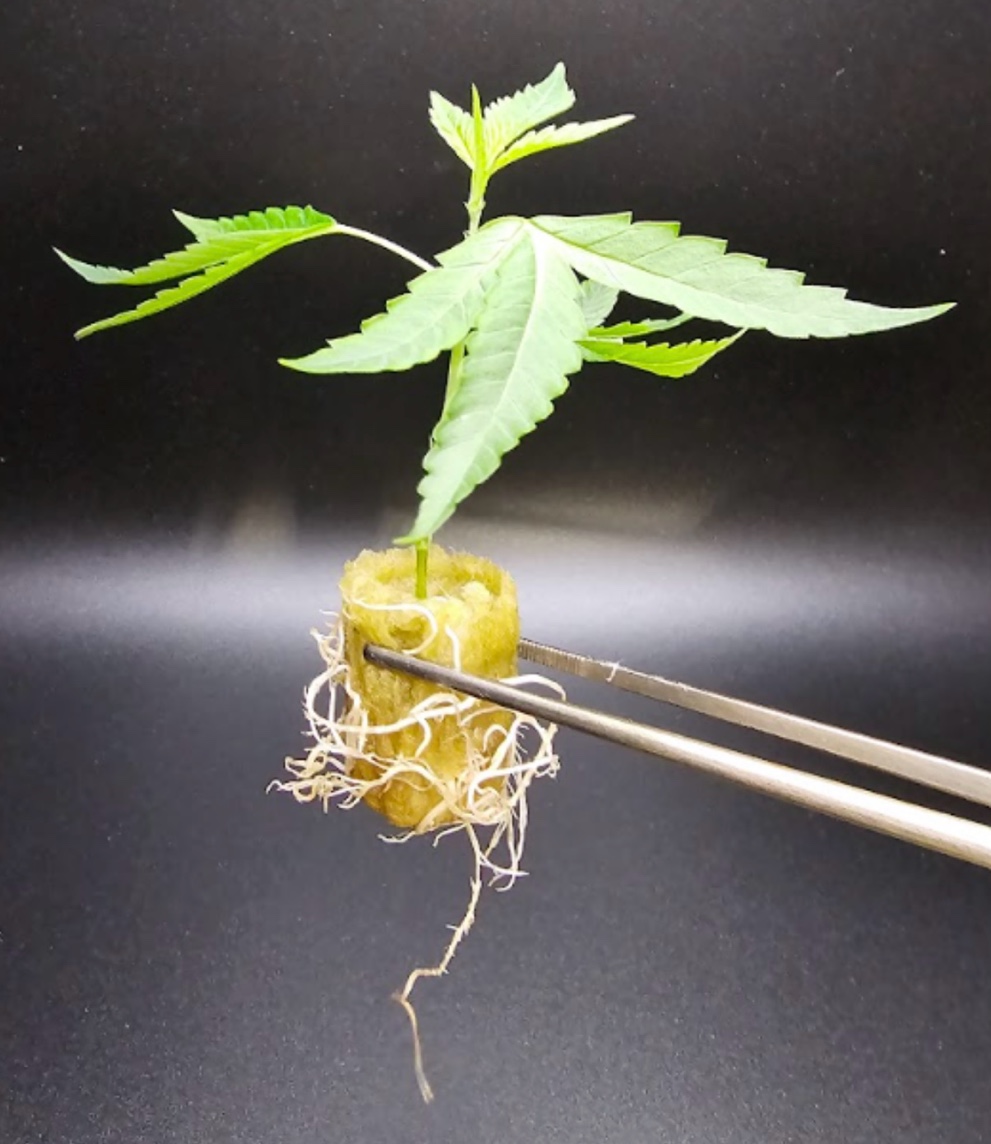
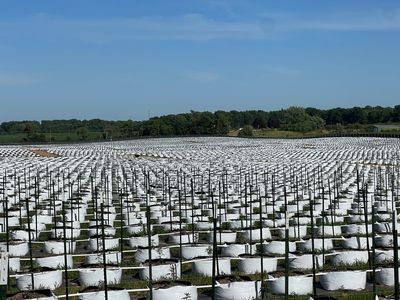
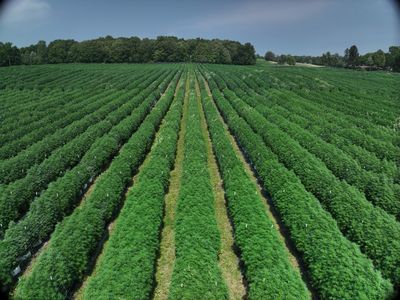
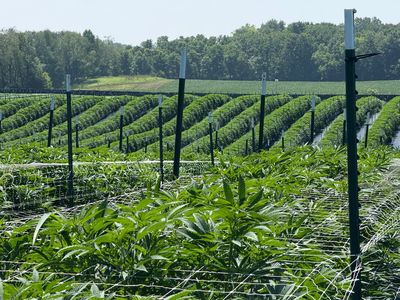
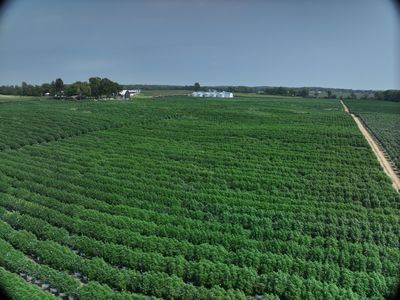
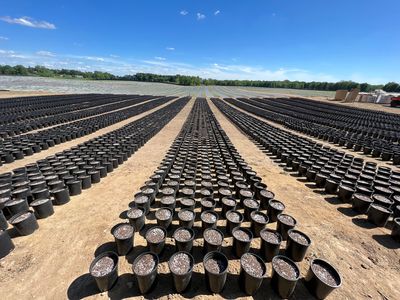
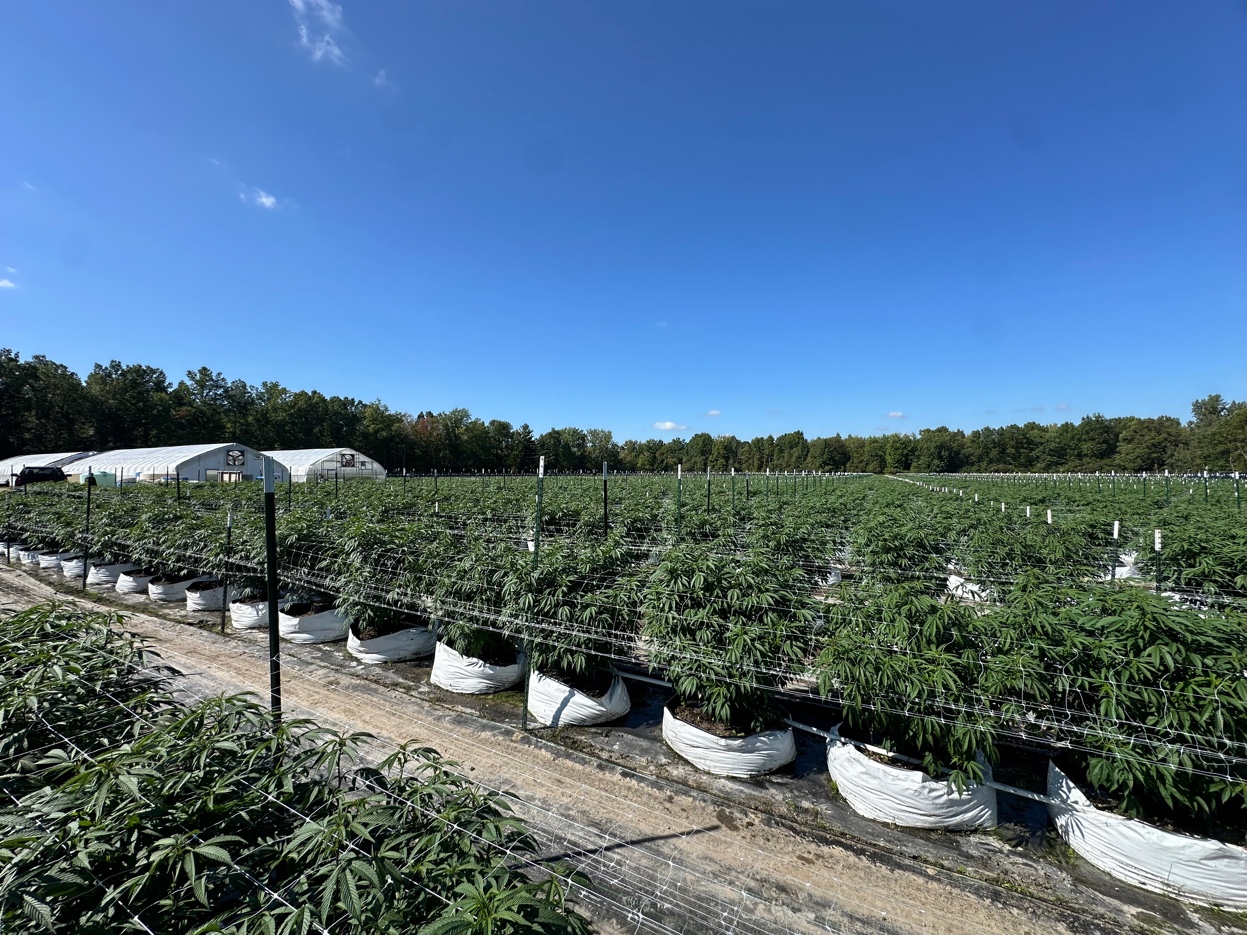
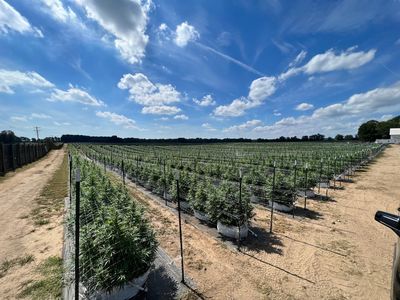
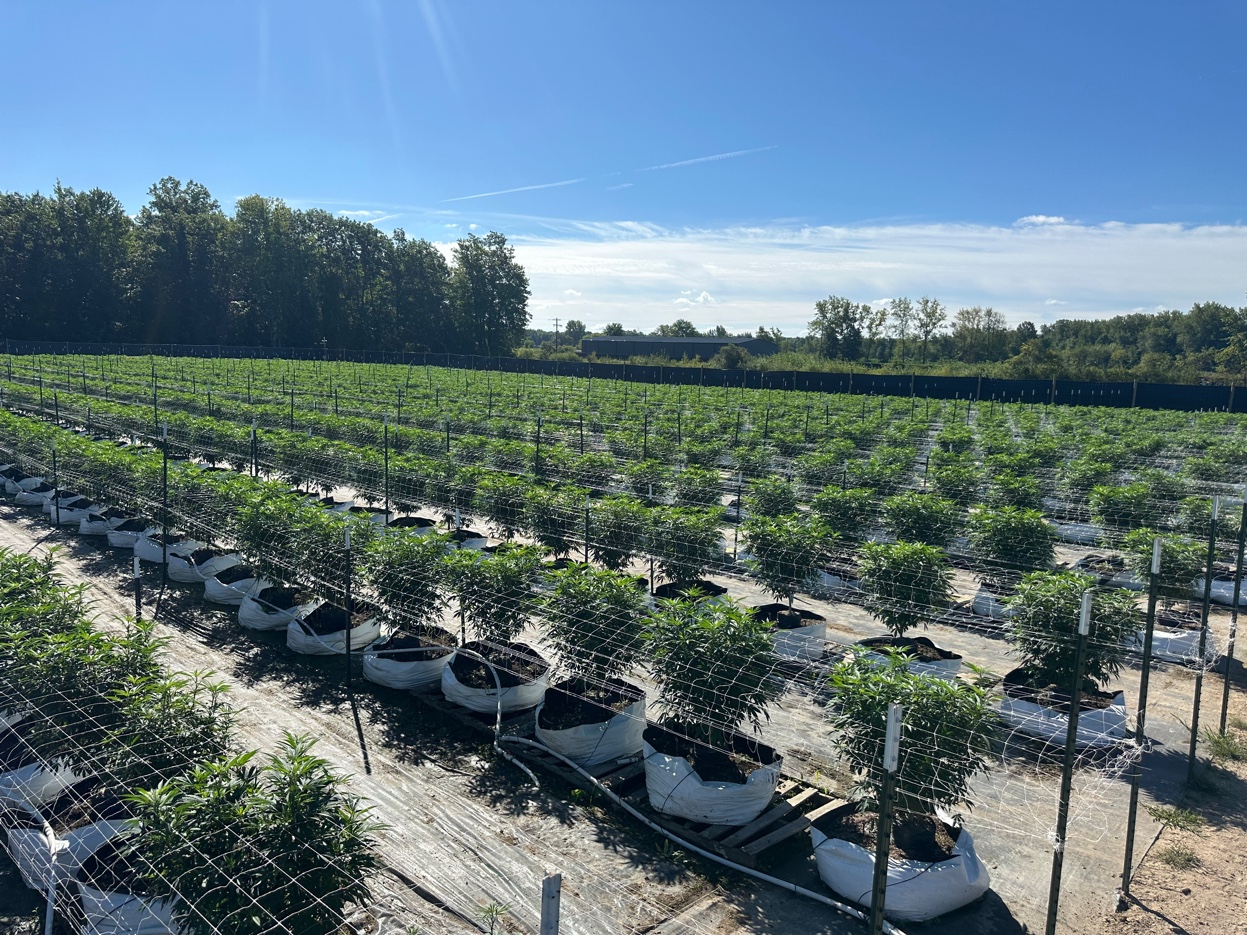
Most cannabis consultants sell frameworks they've never pressure-tested at scale. Continuum Advisory was built inside 100+ acres of live production, through six seasons of the worst wholesale compression in U.S. cannabis history. The methodology is real. The numbers are public. The only question is what your operation is leaving on the table.
One built cannabis production at a scale most operators will never touch. The other ran global agricultural supply chains across four continents before cannabis existed as an industry. When we walk your facility, we've already solved what we're looking at.
The operators who engage Continuum aren't the ones who are behind. They're the ones who've decided that not knowing their real number is no longer an option.
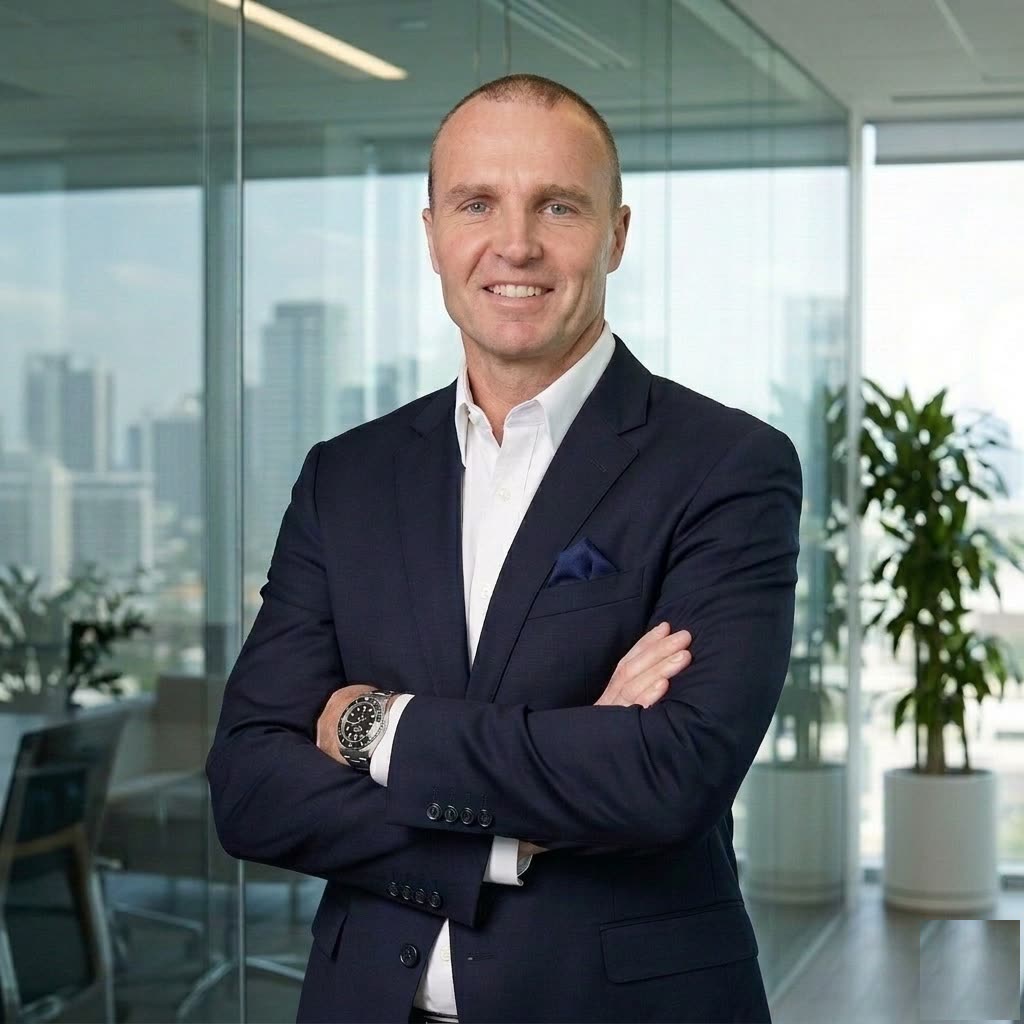
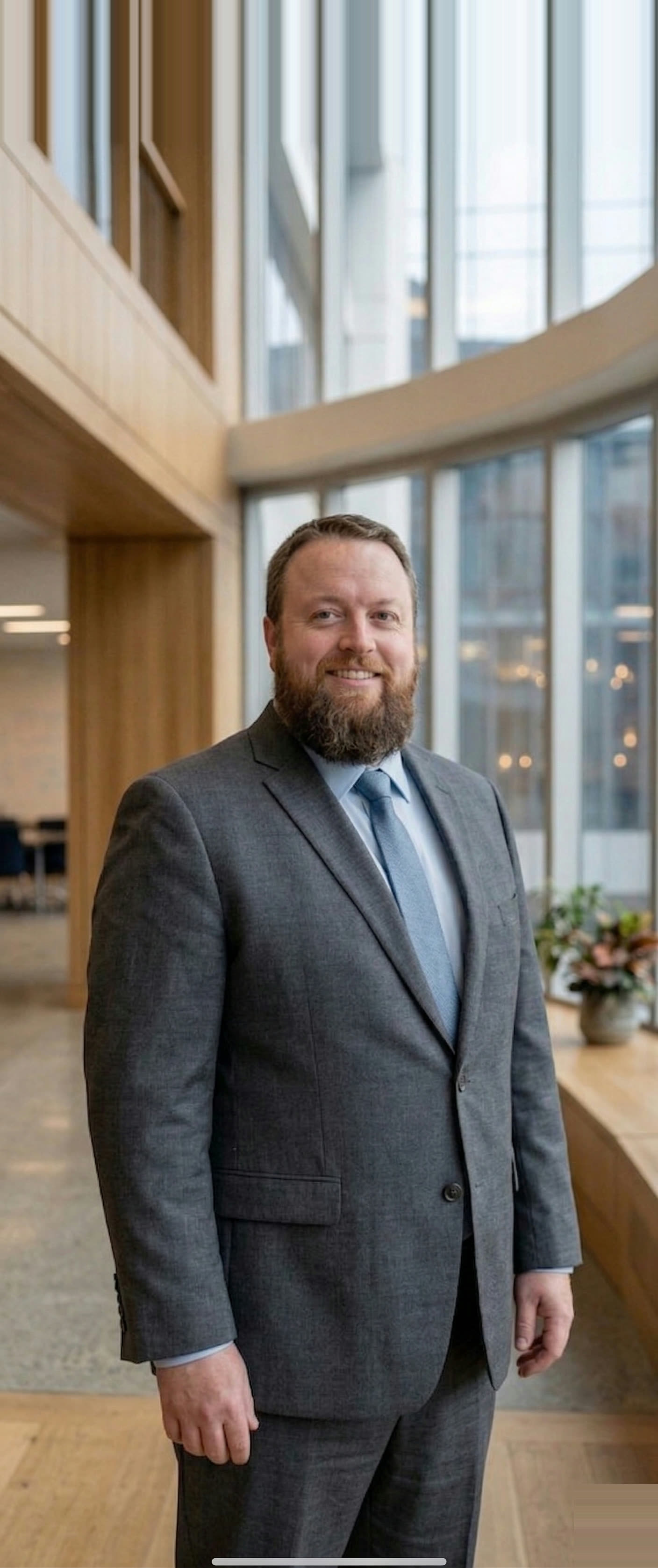
Co-Founder, Continuum Advisory
Twenty years running global agricultural operations and commodity supply chains before entering cannabis. Not a career pivot. Joe saw an industry with billion-dollar production problems and no one applying the operational frameworks that solved those same problems in every other agricultural commodity on earth.
Career started at KPMG, then moved into global leadership at Cargill as Global Strategy Lead and Global Trading Manager. Ran corporate strategy across aquaculture, edible oil, steel, energy, and bulk port terminals. Led M&A execution spanning South America, Europe, and Asia. Has done business in over 50 countries across four continents.
As CEO of Al Dahra ACX, a subsidiary of the $1.5B Al Dahra Holding, oversaw 11,000 acres across three farms producing 850,000 metric tons of forage annually with a fully integrated supply chain serving buyers in Asia, the Middle East, and Africa. Running that kind of acreage, at that volume, under international regulatory and logistics constraints is the exact operational discipline cannabis is missing.
In cannabis, Joe is President of Grip Cannabis. The supply chain architecture that scaled post-harvest from manual processing to automated throughput, the financial modeling that kept the operation profitable when wholesale hit $90/lb, the corporate strategy that unified three disconnected farms into a single integrated production system, that's Joe's work. Most cannabis operators have never had someone with this background inside their operation. The ones who have don't go back.
In a Continuum engagement, Joe is running your financial model, restructuring your supply chain, and building the corporate strategy that turns your facility from a cultivation operation into a scalable enterprise. Entity structure, vendor negotiation, cost-per-pound modeling, capital planning. The business side of the operation, built by someone who's done it across industries most cannabis operators don't even know exist.
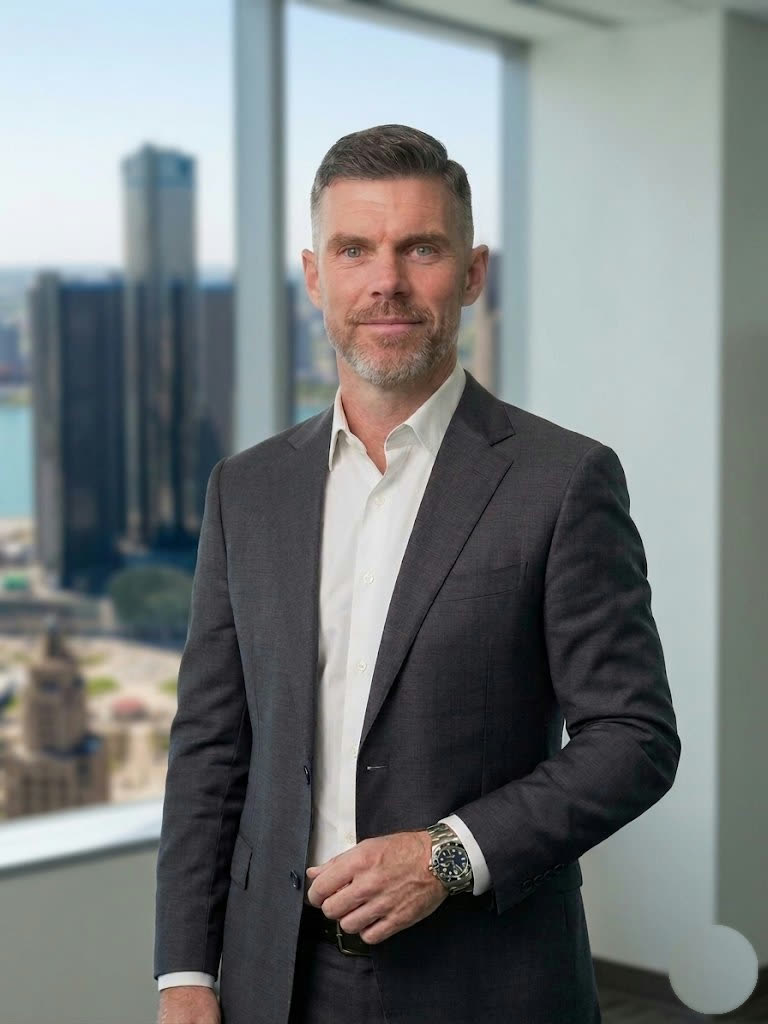
Co-Founder, Continuum Advisory
Started in cannabis in 2012 when the industry barely had an infrastructure. Moved from cultivation management into facility design, then into building production systems from scratch. By the time Grip Cannabis started, Corey had already built and run grows across indoor, greenhouse, and outdoor formats with teams ranging from 5 to 50+.
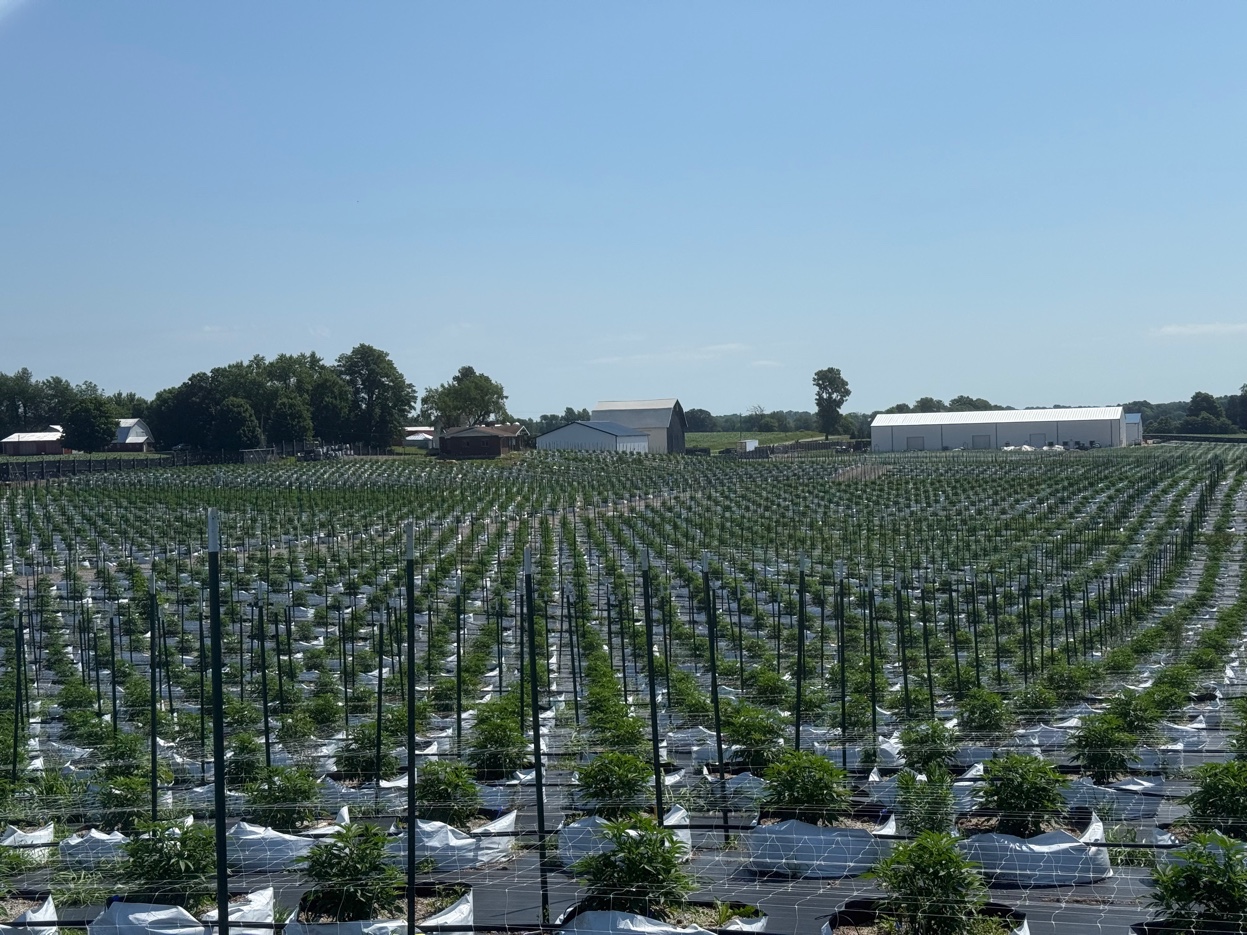
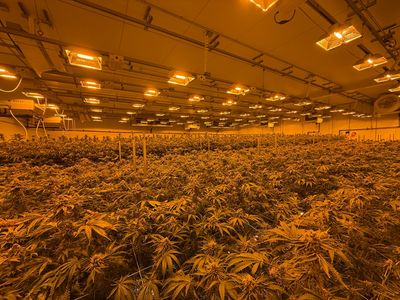
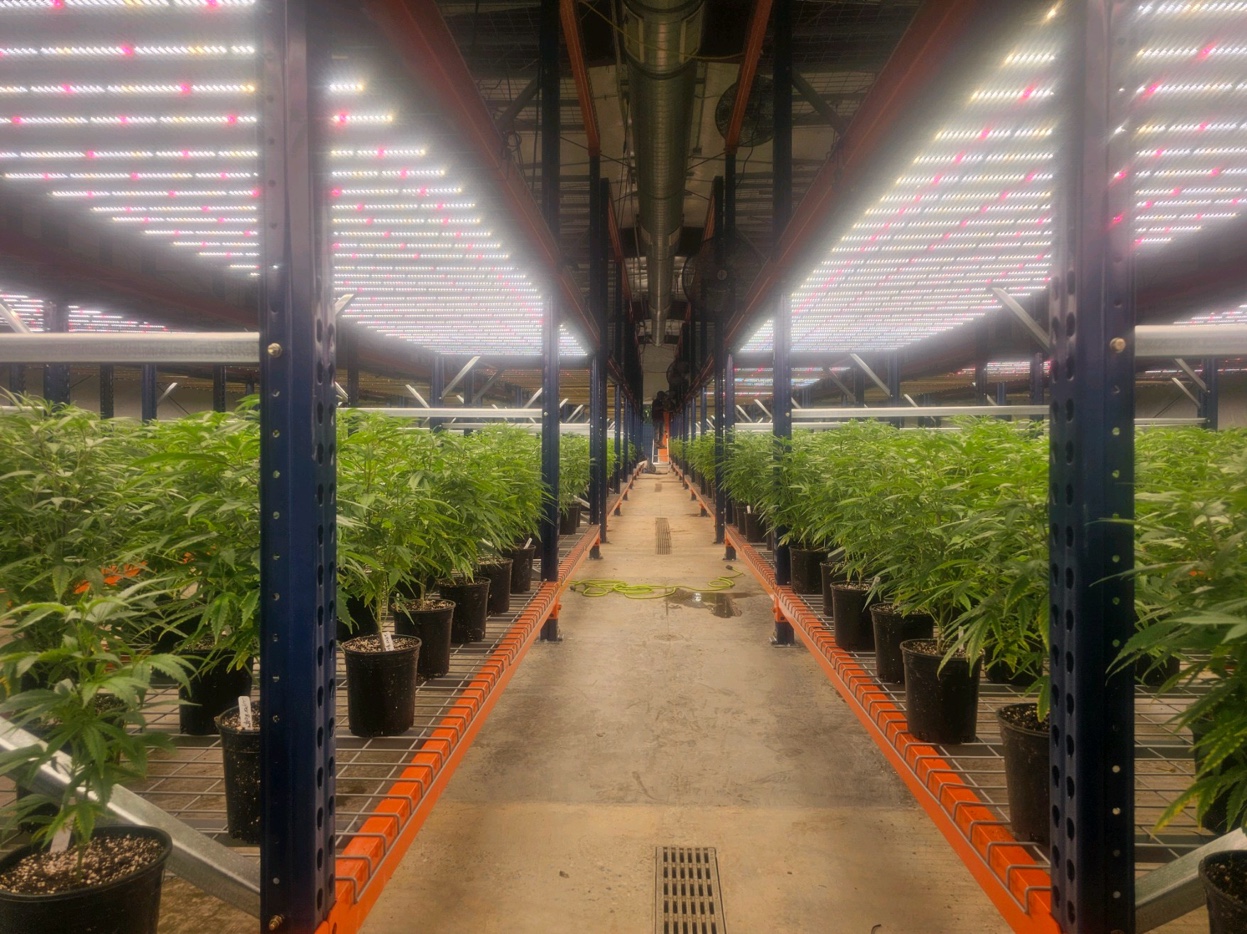
At Grip, he built the cultivation framework that scaled three farms from bare dirt to full production. Environmental control protocols for 60,000+ sqft of enclosed canopy. The genetics evaluation pipeline that determines which cultivars earn field placement and which get cut. When the operation scaled from 10 acres to 100+ in three seasons, the cultivation strategy that made it possible was Corey's.
The hardest part wasn't scaling. It was scaling while wholesale dropped 95% and the margin to survive shrank to single digits per pound. The systems Corey built didn't just produce volume. They produced volume at a cost structure that stayed profitable when competitors at half the acreage went under.
At Continuum, Corey is the one walking your facility. If your VPD is costing you density, your mother stock is three generations past replacement, or your post-harvest labor is adding $40/lb you don't need to spend, he's already solved it at a scale most operators will never touch.
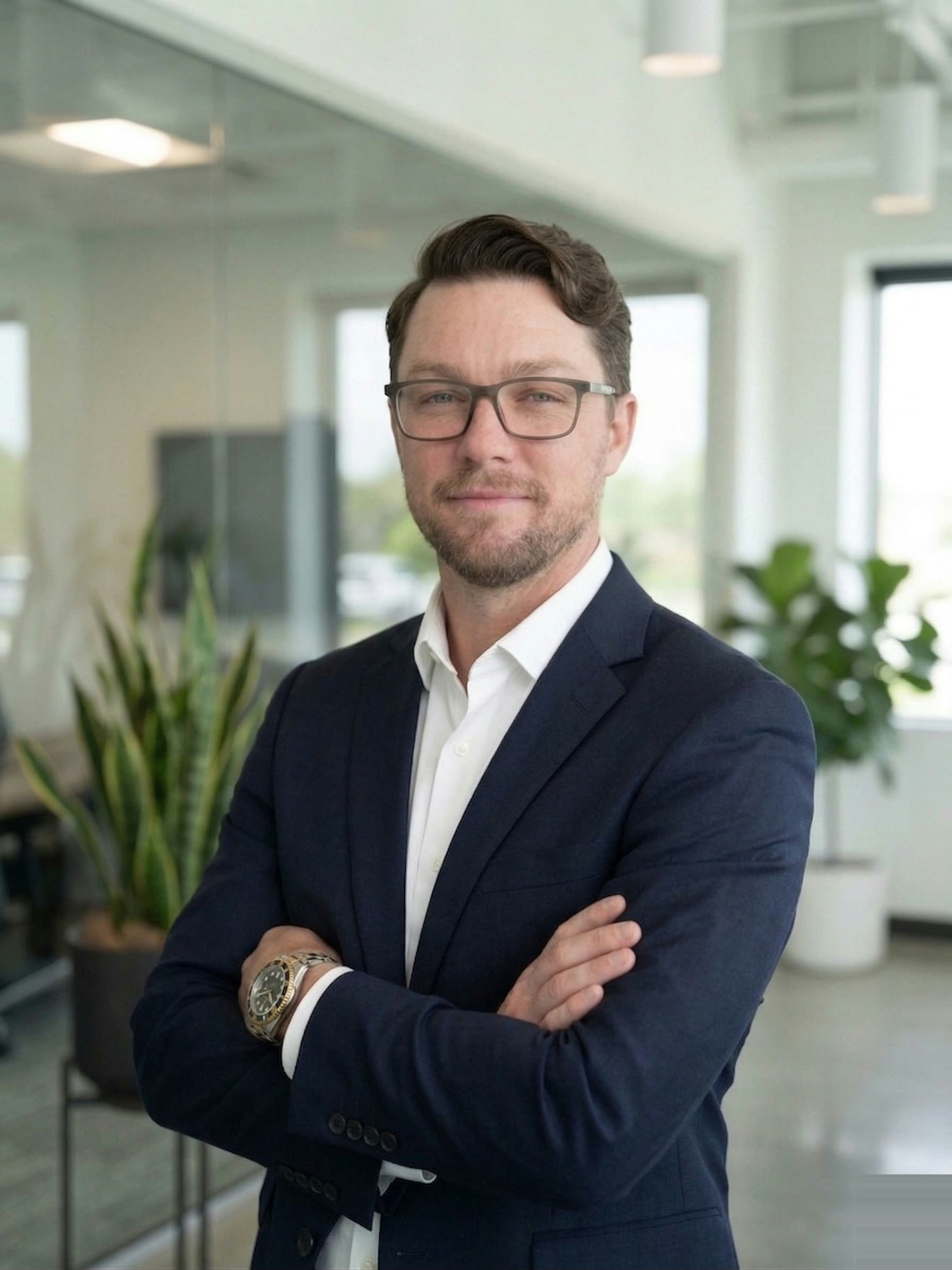
Cultivation Consultant, Continuum Advisory
Logan Hey holds a BS in Agroecology and Sustainable Agriculture from the University of Missouri-Columbia, a foundation that shapes how he thinks about cannabis cultivation at scale, as a biological system with inputs, outputs, and real agronomic consequences, not just a production line. He put that foundation to work fast. He landed in the Washington state medical market, where he and Corey Lord found themselves independently drawn to the same operators, same standards, and same way of thinking about cultivation. Two people who hadn't planned to end up in the same city working the same market discovered they were running parallel tracks.
When the Washington operation split, Logan moved to Oregon and continued building his cultivation resume in the licensed recreational market, running production and developing the indoor and mixed-light management instincts that come from seasons of real output accountability. He worked through the full arc of Oregon's early rec market, the rapid scale-up, the price compression, the quality reckoning. When the call came to help build Grip Cannabis from zero in Michigan, he made the move. As Director of Farming across Grip's outdoor and greenhouse operations in Vandalia, he's been part of the team that grew from nothing to a 600,000+ lb annual production target across 6 consecutive seasons.
The range Logan brings spans 3 legal markets, multiple production formats, and a decade of hands-on cultivation management that started in controlled medical environments and scaled into large-format outdoor. At Continuum, he works with operators at the cultivation level, where the distance between what a facility thinks its canopy is doing and what it's actually doing is usually where the real cost is buried.
Operations Consultant, Continuum Advisory
Dennis Wallace spent nearly a decade inside one of Michigan's most disciplined manufacturing environments. As Materials Superintendent at AGS Automotive Systems, he ran cross-functional operations across multi-site facilities, managing MRP/ERP systems, material flow, inventory, and production scheduling under the kind of precision and accountability standards that automotive supply chains don't negotiate on. Before that, nearly 10 years as a Systems Analyst at Pontiac Coil, building custom databases and interlocking operational systems from scratch for a plant that ran on tight margins and tighter tolerances.
He joined Grip Cannabis as Director of Business Operations in 2022, bringing that same systems discipline into one of Michigan's fastest-scaling outdoor operations. The infrastructure problems that slow cannabis companies down, broken procurement workflows, inventory gaps, MRP blind spots, disconnected site logistics, are the same categories Dennis spent 18 years solving in manufacturing. He didn't need to learn operational rigor in cannabis. He brought it with him.
At Continuum, Dennis works directly with operators to build the systems infrastructure their facilities are missing. For cannabis companies dealing with multi-site complexity, seasonal scale swings, and cost structures that don't pencil, his background isn't a credential. It's a working methodology that's already been proven at scale.
Most operators have never seen another operation's real numbers. Not projections, not conference slides, not what someone claimed on a panel. Every data point below is from our harvest records. The yield curve, the price compression, the seasons we scaled through it. Hover the chart. This is what your data should look like.
Continuum didn't start with a pitch deck. It started with operators calling us. They saw what Grip was building, watched us scale through a market that buried their neighbors, and started asking the same question: can you do this with us?
We said yes, but not the way this industry is used to. Cannabis has been burned by consultants who collect a check, hand over a binder, and disappear before the first harvest. The operator is left alone with a plan they didn't build, making decisions that could cost them a full season at scale. That model is broken. We built Continuum to replace it.
A Continuum engagement isn't advisory from the sidelines. It's an operator in the room with you, accountable to the same season, running the same systems that produced 1.2 million pounds across our own operation. Strategic partner, not vendor. Ally when the season gets hard, not a voicemail when you need answers.
This industry is past the phase where hoarding information is a competitive advantage. The operators who win from here will be the ones who share infrastructure, pressure-test each other's data, and push the standard forward together. That's the industry Continuum is building, cutting edge in technology, innovation, and how the best operators work together.
Ready to see your number?


Every engagement follows the same sequence. No scope creep, no vague timelines, no surprises. You'll know exactly what happens, when it happens, and what you're getting before any money moves.
Set your density, bud ratio, and price range. Watch what your facility is actually worth. Most operators have never seen this number.
Now see what it costs to get there.
View PricingEvery engagement is scoped to where your operation actually is, not where a template says it should be. We take two clients per region, paid before travel, deliverables before departure. If we can't move the number, we don't take the engagement.
Every partner in this ecosystem earned their place the same way we did: they performed when the margin disappeared and the volume didn't slow down. This isn't a vendor list or a referral network. It's the supply chain that produces sub-$25/lb dried flower at 600,000+ lbs annually. When you engage Continuum, you get access to all of it.
No pitch decks. No sales scripts. No 47-slide capability overview. Just an operator-to-operator conversation about where your facility is, what it's costing you, and whether an engagement makes sense. If it doesn't, we'll tell you.
We take two active clients per region. Operational exclusivity is non-negotiable.